
Many remember the days when wall coverings meant big graphic prints. Large prints that enveloped…
Roller Shades 101
Behind-The-Scenes: Window Treatments – Roller Shade 101
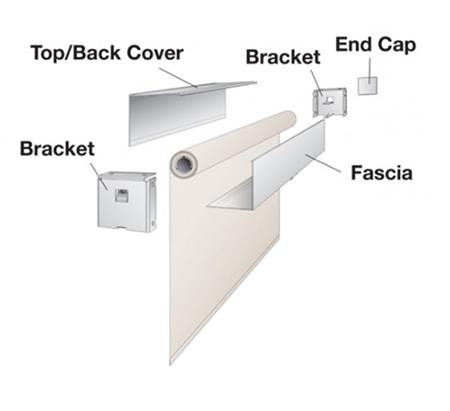
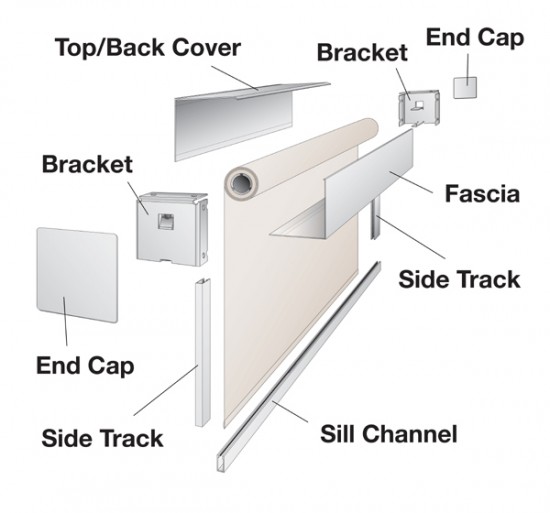
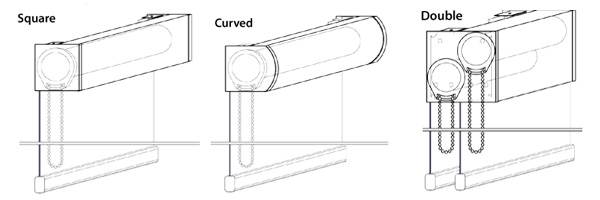
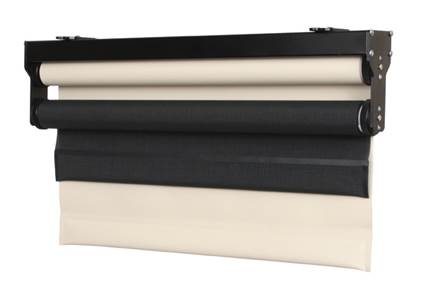
Below are some great images that helps illustrate the array of roller shade accessories available to the window treatment market. We often show these images in client presentations to help illustrate the diversity and break down the exact functionality.
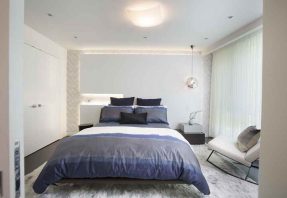
EXAMPLE DKOR PROJECTS – ROLLER SHADES:
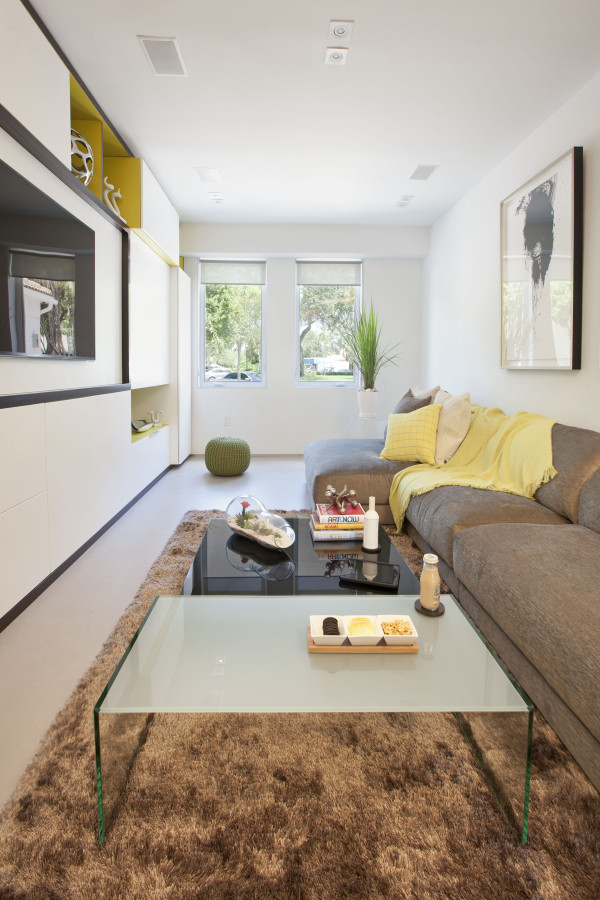
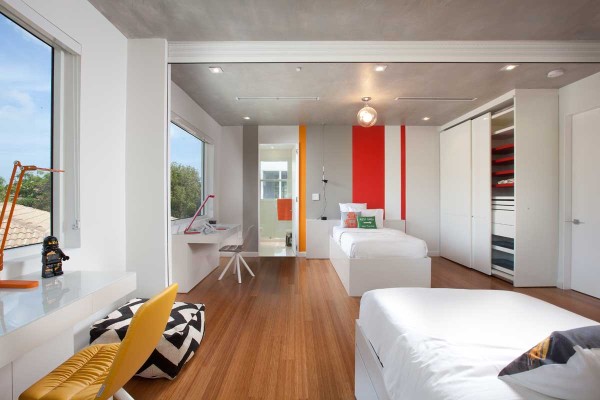
ABOUT ROLLER SHADES:
To reiterate from past blog posts about window treatments, Roller shades are window coverings that have a rolling mechanism. The top of a roller shade fits at the upper part of the window. Cloth or vinyl is attached to the shade’s top as well as the bottom bar. In a standard roller shade model, the window covering rolls out from the back in a downward motion. In a reverse roller shade model, the fabric rolls from the front to create a more streamlined look.
Black-out, semi-opaque, sheer and semi-sheer are the main types of roller shade models. Black-out roller shades offer the most room darkening abilities. Semi-opaque roller shades block most of the incoming light. Sheer roller shade varieties are completely transparent and permit a clear view while letting in maximum light. Semi-sheer shades filter light and produce only silhouettes when seen from the outside.
Roller shades are both practical and stylish. They not only provide easy to use window coverings, but can add color, design and texture to a room. Roller shades tend to be budget-friendly and often cost less than window blinds. While window blinds tend to bend easily, a roller shade doesn’t have slats, so bending isn’t a problem.
SEE HOW IT ALL WORKS:

Related Posts
This Post Has 0 Comments